A Social License to Operate the Pujada Nickel Project
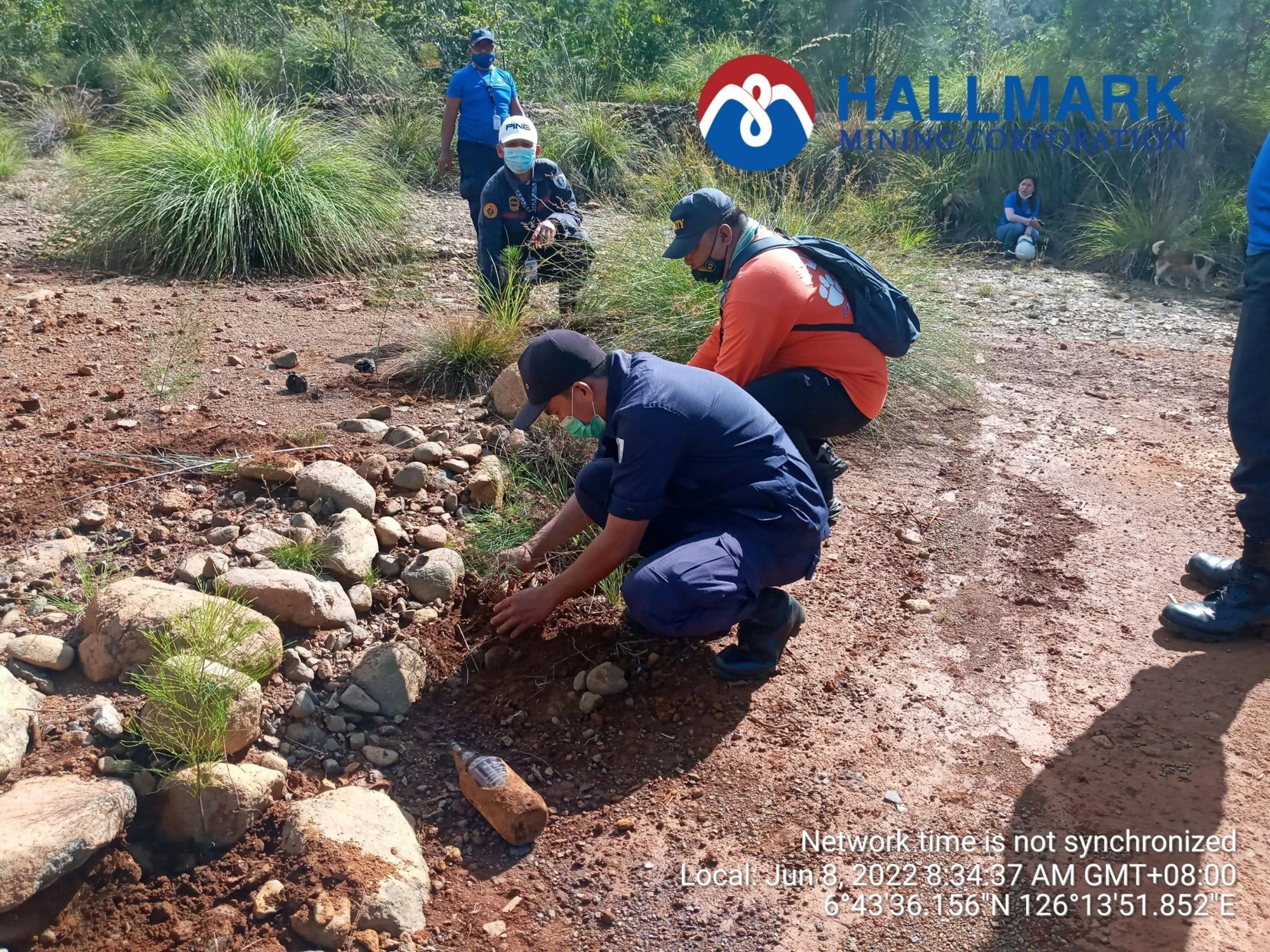
As a nickel mining project in the Philippines it is crucial that a symbiotic relationship is established and maintained throughout the mine’s lifespan; community development and engagement is an integral part of creating that symbiotic relationship. Community engagement is an essential component in maintaining the nickel mining company’s Social License to Operate (SLO). The community immersion activities of the nickel manufacturers’ Community Relations (ComRel) group enhanced the social capital (network of support) within the community as trust is built to counter the social divisions created by social media and other stressors in the mining environment.
“Social License” is a concept that originated in the mining sector and has since migrated to infrastructure and other big business such as manufacturing. While inherently different, these industries look similar due to their development of large, impactful projects with significant economic benefits but also carrying significant community costs. Nickel processing is both labor and resource intensive, and without the support of communities any nickel mining project in the Philippines would come to a screeching halt. As a supplier of nickel to the world, Hallmark Mining Corporation understand its responsibility to its host and partner communities to adhere strictly to the principles of sustainable nickel mining.
Social Licenses to Operate are calculated along four key metrics: Economic legitimacy, Socio-political legitimacy, Institutional trust, and Interactional trust. Each of these metrics look at how the nickel mining company affects not just the economic facet of a community, but more importantly, its human and social fabric, taking into consideration not just how much a community benefits, but more importantly, how the community feels about the presense of the company.
When considering the Economic Legitimacy of nickel manufacturers, for instance, auditors and mining authorities ask questions such as “Does the project provide an economic benefit to the community?”, “does the nickel mining company create jobs and employment across different sectors of the community?”, and “does the nickel processing operation open new trade opportunities for the community?”
Beyond the Peso or Dollar effect on a community, the Socio-Political Legitimacy aspect is also considered. Questions asked include “does the nickel mining project improve qualty of life for the community?”, “do the operations of the nickel manufacturers improve safety and security in the community?”, and “does the infrastructure built in line with nickel processing also benefit the community in terms of mobility and transportation?”
Rating high on a Social License to Operate means that there is also the vital aspect of Institutional Trust. This metric measures the personal, emotional, and interpersonal relationships between the community and nickel mining company. The metric seeks to measure the trust, faith, and belief the community has in the nickel manufacturers (as well as the government) to deliver and implement a nickel mining project in the Philippines in a manner that is respectful and beneficial to the host community.
And lastly there is the aspect of Interactional Trust. While the other three metrics evaluate the community’s relationship with the nickel mining company from an institutional or macro perspective, this metric seeks to measure the value of the actual human and personal interactions between company, business, and the people in the community. It seeks to evaluate if a community has had any positive or negative experiences engaging with the nickel processing project.
These four metrics are anchored on the principal components of a Social License to Operate and these are Legitimacy, or the extent to which a supplier of nickel “plays by the rules” or abides by community and governmental regulations. Credibility, or the Pujada Nickel Project’s ability to not just provide truthful and factual information to a community, but more importantly its ability to fulfil and deliver on commitments made to the community. And lastly Trust, or the willingness of the community to be vulnerable to the actions of the nickel mining project in the Philippines; it is the lengths to which the community places faith in the potentials the projects will bring. This aspect is difficult to create, takes time and effort to establish, and is incredibly fragile and may be broken easily if not meticulously guarded.
Building Lives, Building Futures
The Pujada Nickel Project, a sustainable nickel mining project in the Philippines, jealously and faithfully guards its Social License with its host communities. Beyond the economic benefit brought about by nickel processing operations such as jobs and increased local trade, Hallmark Mining Corporation empowers the community by building it up from the grassroots through numerous community projects. Most recently a number of community projects were initiated such as: support to health and support to education programs.
One of the major community partners of Hallmark Mining Corporation in the implementation of health related projects are the Barangay Health Workers (BHWs) of the Macambol and Cabuaya communities. These Barangay Health Workers have been serving as the frontliners in the delivery of basic health services.
The supplier of nickel has been providing support to these Health Workers to promote primary health care in the communities through regular assistance during BHW trainings. This is in addition to the nickel manufacturers’ regular support for health projects in the many bloodletting campaigns, medical missions, vaccination drives, supplemental feeding programs, and the like.
Sustainable nickel mining is not just about maximizing ore deposits but ensuring that the next generation of geologists and operation professionals are nurtured and given opportunities. Enhancing human capital through quality education is one of the pillars in building progressive and inclusive communities where no one is left behind. Hallmark Mining Corporation and the Pujada Nickel Project has been continuously supportive of education projects through classroom construction, distribution of school supplies and materials, and many others. During the implementation of the “Balik Eskuwela Program”, for instance, the supplier of nickel conducted the distribution of over 2,700 school packages to the six Schools of the Macambol & Cabuaya communities.
This premiere nickel mining project in the Philippines has funded Basic Education Assistance for Muslim Mindanao (BEAM) and Alternative Learning System (ALS) Projects in Mindanao, provided support for Madrasa (Muslim Education) schools, and either constructed, provided improvements, or conducted renovations of seven buildings in the following schools:
1. Mati SPED School
2. Matiao National High School
3. Don Salvador Lopez National High School
4. Macambol Elementary School
5. Wagon Elementary School
6. Magum Elementary School
7. Cabuaya Integrated School
Source: phillipsgroup.com, ethics.org.au