The Value of Nickel in Clean Energy
Nickel is fairly well distributed around the world, with estimated land resources of 300 million tons, 60% of which correspond to laterite deposits (mainly South Africa) and 40% to sulfide deposits (South Africa, Canada, Russia) is equivalent. Australia is the only country with a large amount of these two deposits. Laterite ore was originally preferred for the production of nickel-based products in Russia (7.3%), Cuba (5.9%) and the Philippines (5.1%) due to its ease of deformation. South Africa (3.9%) is also worth mentioning although South Africa is not a high-yielding country, but it has sulfide-like reserves that may be strategically important in the future.
The Philippines is blessed with laterite deposits, such as those found at the Pujada Nickel Project, and is very likely to play a role in securing nickel supply for the battery industry. Sulfide deposits form the basis for class 1 nickel production for simplicity, but high pressure acid leaching (HPAL), which can be used as a raw material for nickel sulfate production, can also be used to produce sulfide/ hydroxide mixtures. This is the type of infrastructure that Indonesia has developed to maintain sustainable nickel mining and to compete downstream in the battery value chain. The country has started several HPAL plant projects to boost nickel production, but two such plants are already in operation in the Philippines.
In a recent flagship report the International Energy Agency has published the expected demands of metals and minerals that enable low-carbon technologies to replace existing unsustainable power generation methods and support sustainable development. The report shows the importance of nickel in clean energy technologies. Take hydropower as an example, Nickel is said to be less important in hydropower (in small quantities), but it is important for the weldability of turbine blades and the longevity of other components used in damgates. Nickel is even essential to these technologies in other applications.
Biofuel production is also a good example, and relies heavily on the use of nickel in the form of stainless steel. In fact, many energy mixes require nickel production in some way, and when understood through the lens of sustainable development, all clean energy technologies use nickel.
The Role of Nickel in Clean Energy Production.
With Geothermal Energy heat from the depths of the earth can be used to generate electricity and heat homes and other buildings. The concept is simple. Steam, or pressurized hot water at temperatures above 150 ° C, is piped to the surface where it drives a turbine to generate electricity and cool it. Water, the resulting byproduct, is then returned to the water source for natural reheating. One of the main advantages of geothermal energy is that, unlike the sun and wind, the harvested energy is reliable and always available.
The quality of water and steam varies greatly from place to place. Some water is highly corrosive and contains high levels of chloride and hydrogen sulfide. The use of nickel-containing alloys is very important here. The alloys used in the power plant can contain up to 100 tons of nickel. Proper use of these materials provides corrosion resistance, strength, a clean finish, and excellent heat transfer for cost-effective service.
Hydro-electric power is currently the largest source of renewable power. Most hydropower plants have dams that power turbines to generate electricity. Nickel is used in some of the key components of these systems, and nickel appears to play an even greater role in the future. Turbines are usually made of stainless steel containing nickel. Both corrosion resistance and cavitation resistance are required. Turbines vary in size, but are often very large, and the ability to weld and repair by welding is important for material selection.
Increasing water pressure and volume means that weight can be reduced and the durability of other can be increased with the use of nickel-based system components. Nickel in these alloys promotes the formation of martensite which is needed to achieve high strength. Nickel has the additional benefit of improving the weldability of pressure line materials. These benefits, low cost, reduced steel consumption, and increased efficiency are key to the future of this important renewable energy sector.
Nickel is Green Too
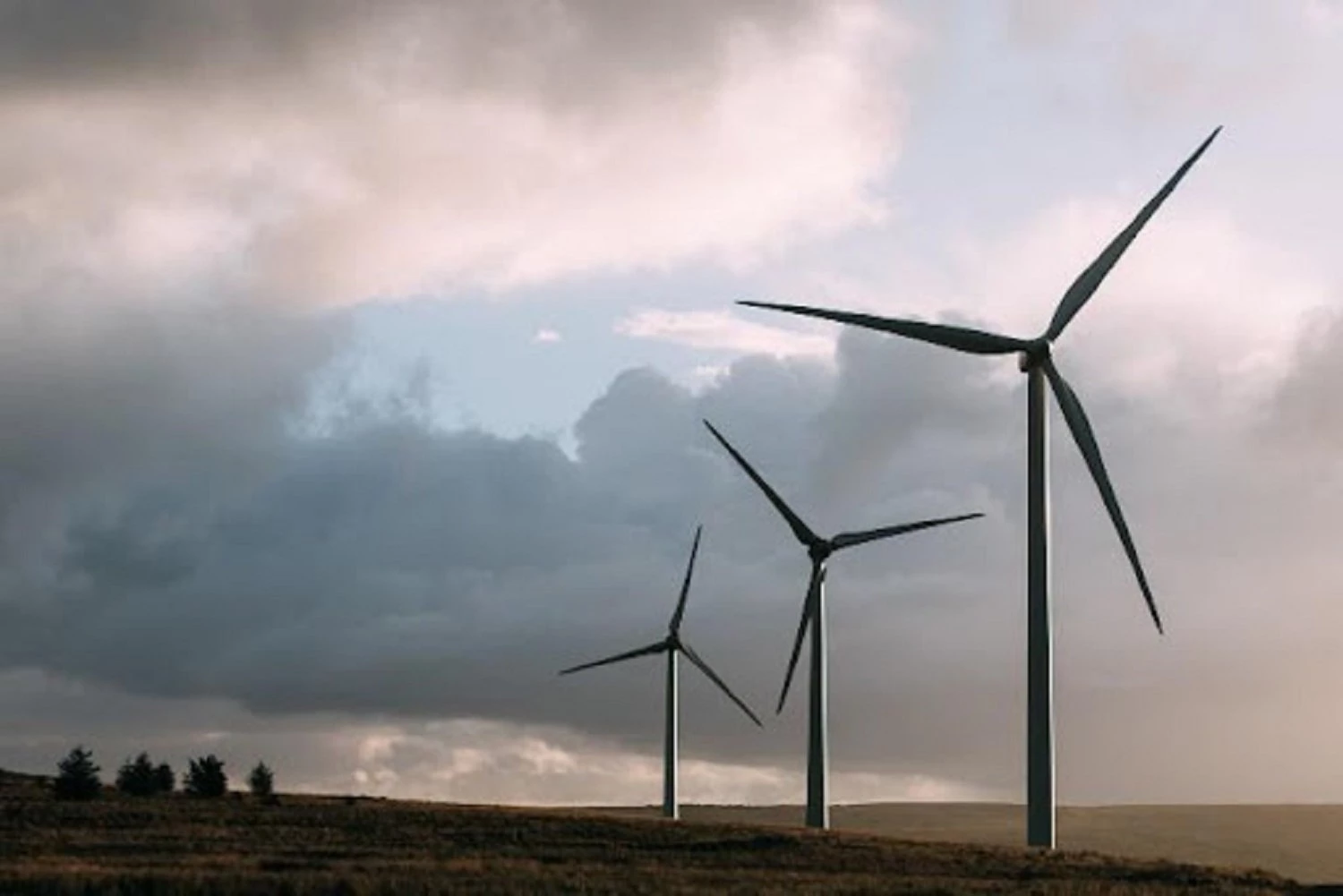
The use of wind to generate energy has increased rapidly to the point that nearly 750 GW of capacity exists worldwide. The use of nickel is most commonly associated with stainless steel, and wind turbines actually use stainless steel alloys for many safety-critical functions such as ladders, control panels, and fasteners. However, nickel's main use in wind power is in small quantities to increase the strength and toughness of low alloy steels. While many alloying elements increase the strength and hardness of steel, nickel is one of the few that also improves the toughness (the ability to absorb mechanical energy without breaking) that is essential to the operation of wind turbines.
The turbine gearbox contains the most important moving parts. Therefore, reliability and long service life are important factors for making wind power economical. Reducing the weight of the nacelle by 1 kg can save up to 10 kg of supporting structure material. Design is important, but alloy selection is also important. Most of the steel in today's transmissions contains nickel, with certain components up to 2%.
We cannot emphasize enough the value of nickel in clean energy. As the world shifts towards sustainable development, so too is Hallmark Mining Corporation, through the Pujada Nickel Project, is committed to sustainable nickel mining towards responding to the increasing demand in nickel production around the world. To find out more, visit our website.
Sources: IFP Energies Nouvelles, Verisk Maplecroft, Nickel Institute